

Tooele, UT · Services
One standard of care. Seven ways in.
Every service on this page runs through the same evaluation, the same Doctor of Physical Therapy, and the same plan with an endpoint. The service is the tool; the standard is what doesn’t change.
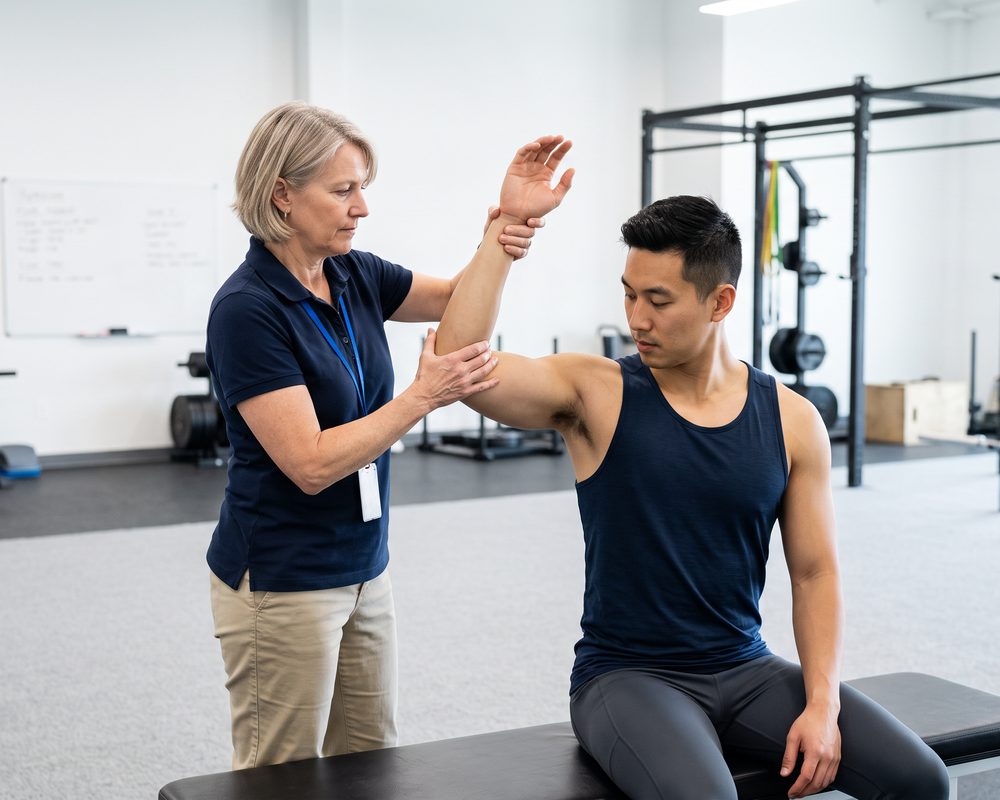
Most people don’t arrive already knowing which of these seven they need. That’s fine. Deciding is our job, not yours, and it happens at the evaluation, not on this page. Every visit starts the same way regardless of which service you eventually land on: a cause-first evaluation with a Doctor of Physical Therapy, one-on-one, that finds the reason for the problem instead of guessing at the symptom.
From there, care moves through four named phases, Pain, Prime, Perform, Prevent, and every one of the seven services below exists to do a job inside that plan. Physical therapy is usually the foundation, the service most people start and finish on. Dry needling, shockwave therapy, ASTYM, and cupping are tools we bring in when the plan calls for them, never sold as a separate errand or a standing weekly ritual. Barbell analysis is where the plan turns technical, breaking down the lift itself once the pain’s handled, and vestibular therapy answers a different question entirely: why the room feels like it’s moving when you know it isn’t.
Guessing which service you need on your own tends to cost you a few wasted weeks: the tissue work aimed at the wrong spot because nobody tested the joint above and below it first, the lift that keeps breaking down in the same place because nobody isolated which phase of the pull it starts in. An evaluation skips that guessing. It also means you’re never signed up for a service in isolation. Dry needling doesn’t happen without a plan around it. Cupping doesn’t get billed as a stand-alone hour disconnected from what the doctor is already treating. Every service on this page answers to the same plan, the same doctor, and the same endpoint, whichever door you happen to walk through first.
The index.
Seven doors into the same standard. Read the summaries, or skip them; the evaluation decides either way.
Physical Therapy
Hands-on, cause-first care for pain that’s overstayed its welcome. This is the foundation nearly everyone starts on, and for most people it’s the entire plan. Your evaluation finds the actual source of the problem, not just where it hurts, and treatment begins that same visit. From there you move through Pain, Prime, Perform, and Prevent at your own pace, with a Doctor of Physical Therapy running every session personally. No referral required to start, and no guessing about when it ends: the endpoint is named at evaluation and reviewed with you at every phase.
Barbell Analysis
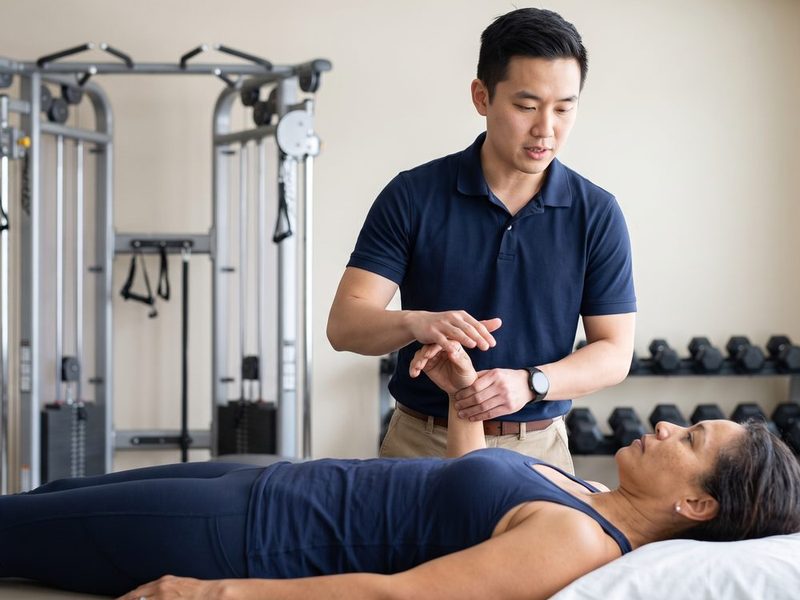
A phase-by-phase breakdown of your deadlift, clean & jerk, snatch, or power clean: where you’re losing efficiency, power, or control, and what to do about it. Built for CrossFit athletes, Olympic lifters, and powerlifters, along with anyone who wants to move more efficiently and lift without pain. You leave with a video breakdown and corrections you can apply immediately, and a note from a Doctor of Physical Therapy if a mobility or stability limitation is actually behind the fault.
Dry Needling
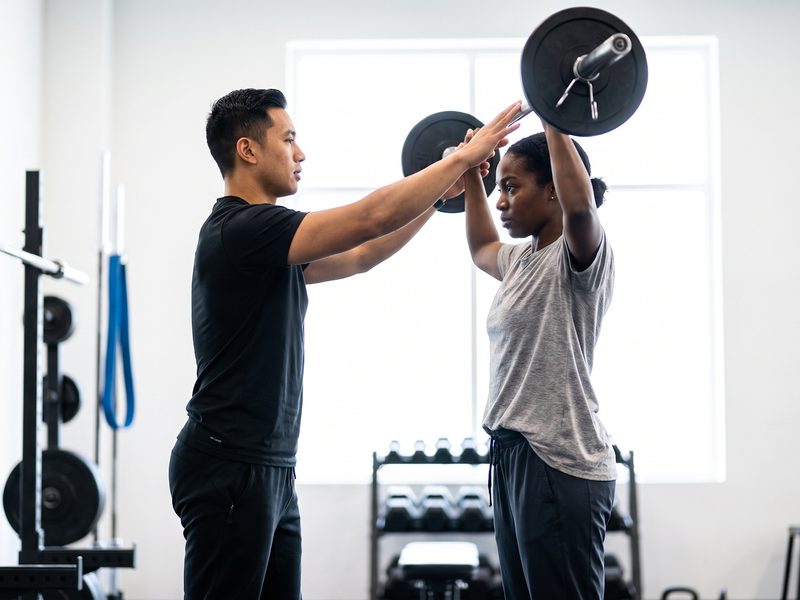
Precise, targeted work for the knot that’s set up permanent residence since spring. Dry needling uses a thin filament needle to release the muscle tissue and trigger points that stretching and time alone haven’t touched. It’s a tool inside a larger plan, not a standalone appointment: your Doctor of Physical Therapy uses it when the evaluation points there, alongside the manual therapy and exercise doing the rest of the work. Most people feel a change in the treated area within the same session, with results building over subsequent visits.
Shockwave Therapy
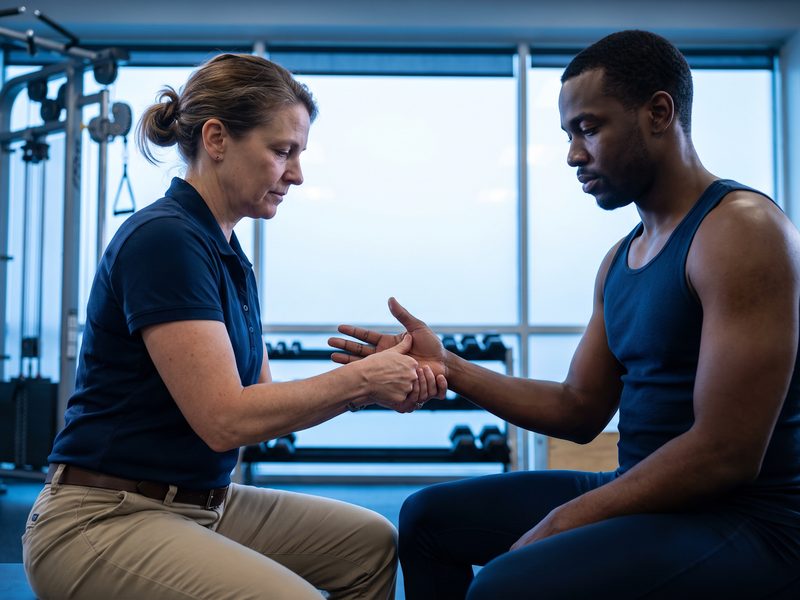
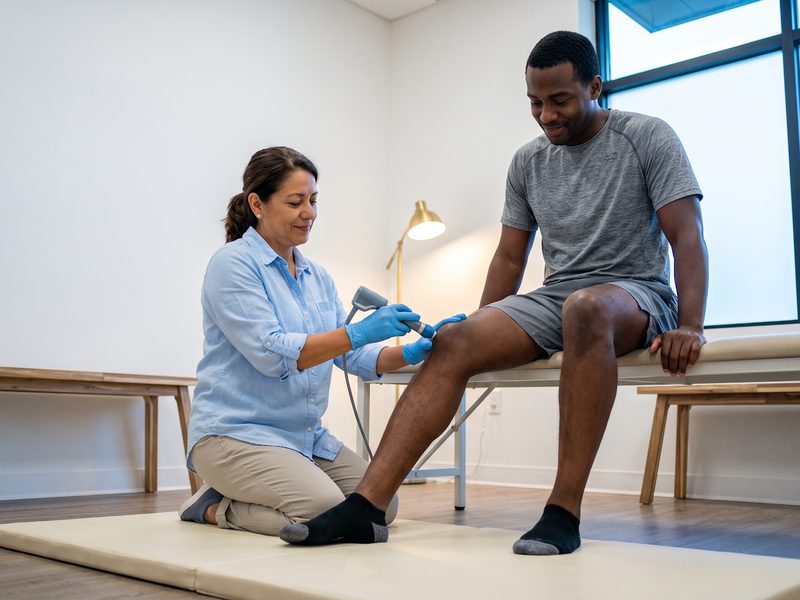
Radial shockwave therapy for the tendon or soft-tissue pain that’s outlasted rest, stretching, and exercise: the Achilles that flares every time mileage climbs, the elbow that never quite settled after last season. It’s a tool inside the plan, always paired with the movement and strengthening work that builds the capacity to actually tolerate training again, never used on its own. Your Doctor of Physical Therapy decides at the evaluation whether it belongs in your plan at all.
ASTYM
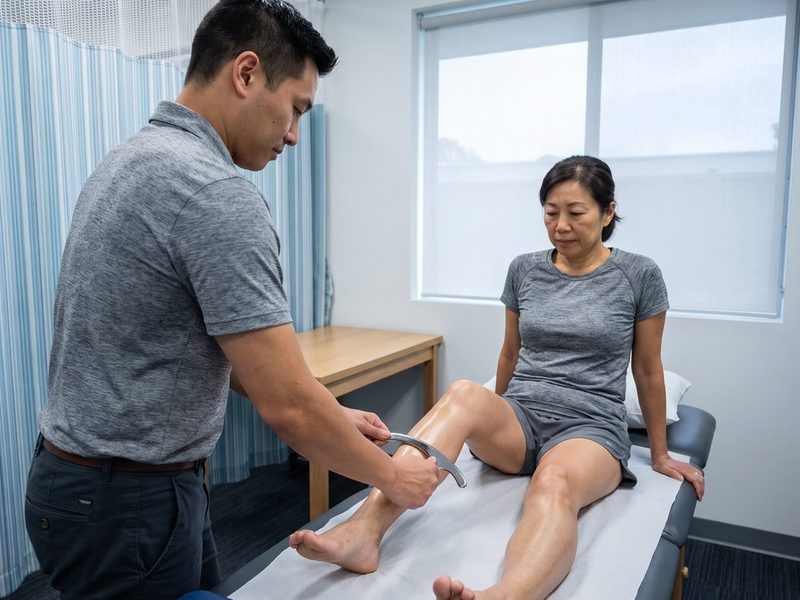
Instrument-assisted work for scar tissue, fibrosis, and degenerative tendon pain that stretching alone hasn’t moved. Specially designed resin instruments locate the specific restricted tissue and stimulate the body’s own process for resorbing it and regenerating healthier tissue in its place. It’s a tool inside the plan, paired with the loading and movement work that keeps the tissue from re-restricting, never a standalone treatment.
Cupping
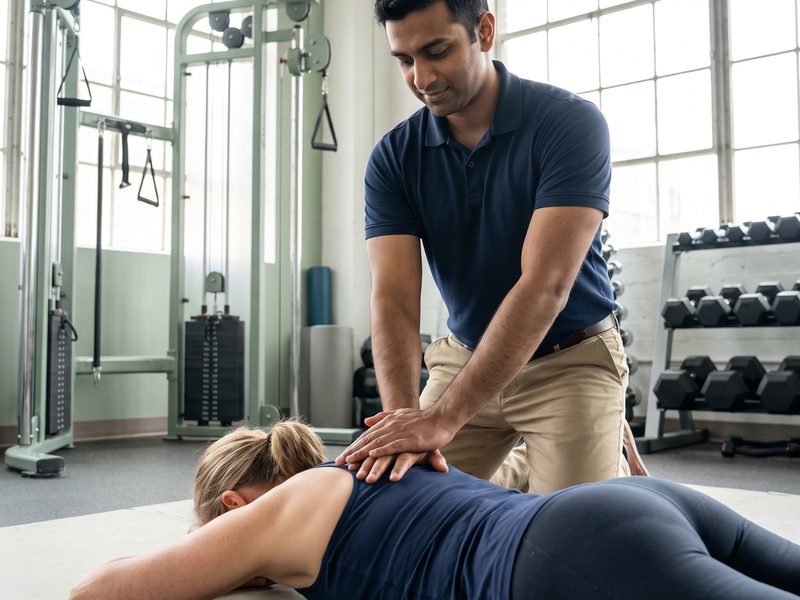
Suction-based soft tissue work for the muscle that’s guarding, restricted, or slow to recover from training. The cups decompress the skin, fascia, and muscle instead of pressing on it, easing guarded tissue and supporting recovery between harder sessions. It’s scheduled inside your plan when the evaluation points there, not booked on repeat as a stand-alone relaxation hour.
Vestibular Therapy
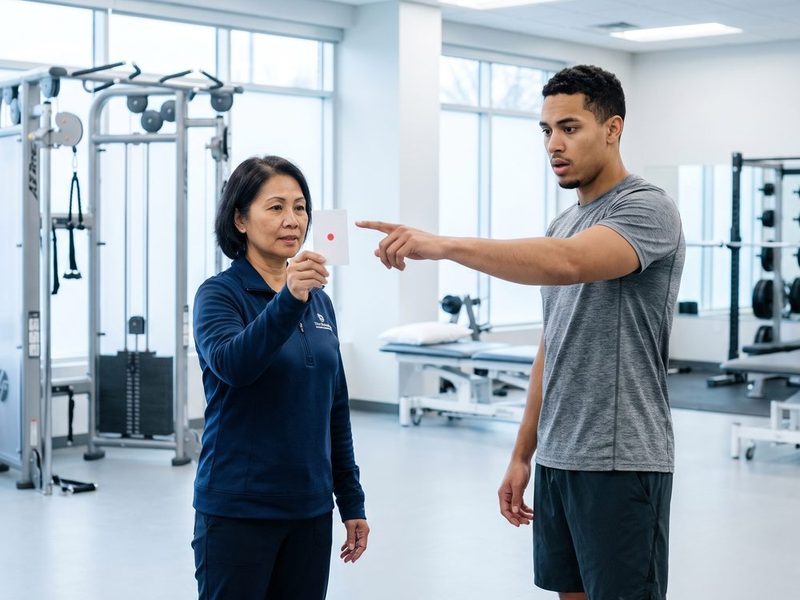
A cause-first evaluation for dizziness, vertigo, and balance that feels off, tested directly rather than guessed at. Specific position testing identifies common, treatable causes like BPPV, often resolving in just a few visits, while ongoing balance and motion-sensitivity work rebuilds the confidence to move and train without that unsteady feeling.
Not sure which one is yours.
Here’s the honest version: you don’t need to know. The people who end up on this page usually aren’t trying to self-diagnose between “ASTYM” and “cupping,” they’re just trying to stop guessing and start somewhere. That’s exactly what the evaluation is for. Talk to a specialist, describe what’s going on in your own words, and your Doctor of Physical Therapy routes you to the right service, or the right combination of two or three, before you’ve spent a dollar guessing on your own.
A rough starting point, if you want one: pain that’s new or that’s been nagging for weeks usually starts with physical therapy. A lift that keeps breaking down in the same spot, even though nothing hurts, is a barbell analysis conversation. A single stubborn knot or chronic, fibrotic tissue that hasn’t responded to anything else is a dry needling, ASTYM, or cupping conversation, depending on what the evaluation finds. Dizziness or balance that’s changed is a vestibular therapy conversation. But treat that as a guess, not a diagnosis, the same way we would; the evaluation is what actually decides it; the paragraph above is just a place to start the sentence when you call.
If you already know your symptom better than the service you need, start on What We Treat ⟶ instead and work backward from there.
Put it in writing.
Five short questions. A real person calls you back, usually within two business hours, with times that fit your week.
The people who end up filling this out are rarely in the worst pain of their life. They’re just done working around it, done picking the errand that doesn’t require the stairs. If that’s the stage you’re at, this is the part where you stop researching and start.
Consider it filed.
A real person will call you back, usually within two business hours, with appointment times that fit your week. Keep your phone nearby.
Can’t wait? Call (801) 508-4784 ⟶Two clinics in Tooele. Both easy to park.
Two locations in town, both with parking by the door. Same team, same one-on-one care. Come see either one before you commit, if you like.
Two clinics · Reach Physical Therapy and Performance
Lodestone Way ⟶West 60 South ⟶Directions open in Google Maps